IMO STATE STRATEGIC POLICY BLUEPRINT FOR THE ADVANCEMENT OF CITIZENS’ NEEDS
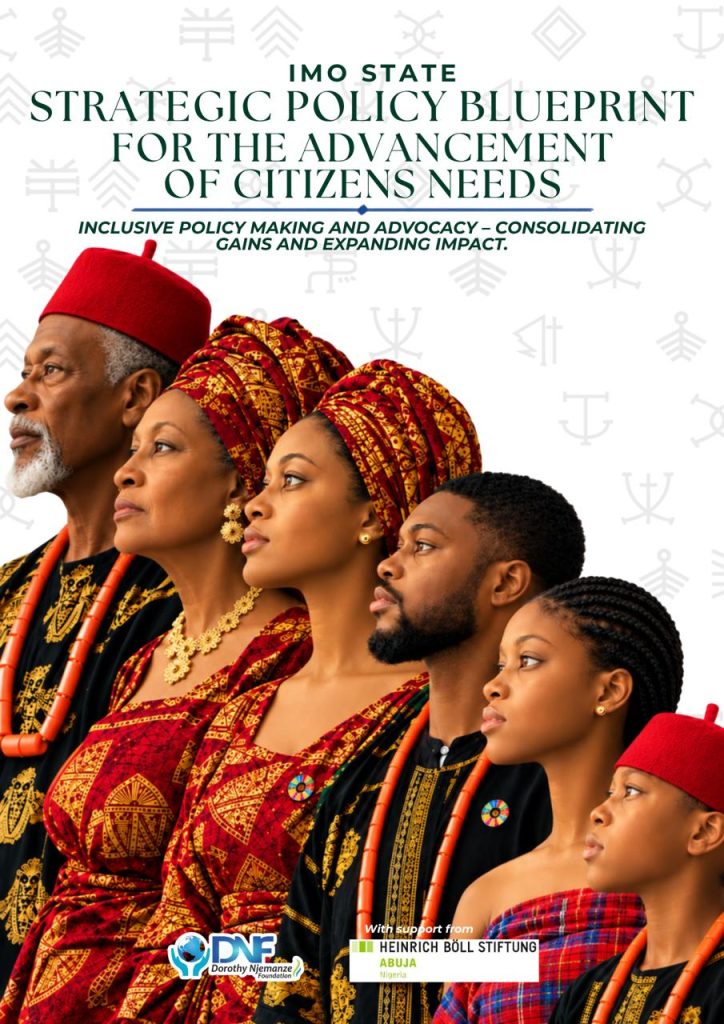
The Imo State Strategic Policy Blueprint For The Advancement Of Citizens’ Needs, is a three-year roadmap developed to address the needs and priorities of women and citizens across the state. It was developed through a participatory process involving Gender Desk Officers, government MDAs, civil society organisations, women’s associations and community representatives. Drawing on the Imo State Women’s Needs Assessment and Women’s Charter of Demands, it translates identified needs into measurable objectives and practical actions across key sectors, providing government institutions and policymakers with an evidence-based framework for inclusive development and improved service delivery.
IMO STATE CITIZENS’ CHARTER OF DEMANDS
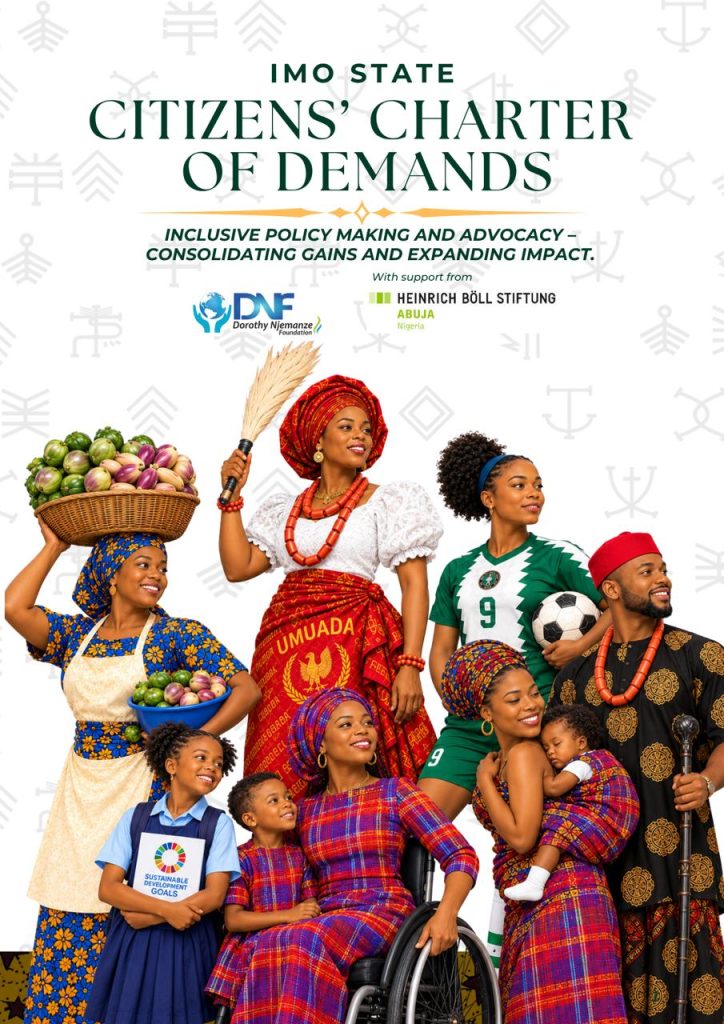
The Imo State Citizens’ Charter Of Demands, is an evidence-based document that outlines the needs, priorities and demands of women across the state. Developed from the 2026 Women’s Needs Assessment, it highlights gaps in education, healthcare, economic empowerment, political participation, security and access to public services. The Charter translates these findings into specific demands for government action, calling on policymakers, elected representatives and other stakeholders to prioritise women’s needs, allocate resources and ensure accountability. It also provides a shared advocacy agenda for women and citizens to engage government and political parties ahead of the 2027 general elections and beyond.
Not Just a Meal: Food as a Foundation for Safety, Nourishment, and Health
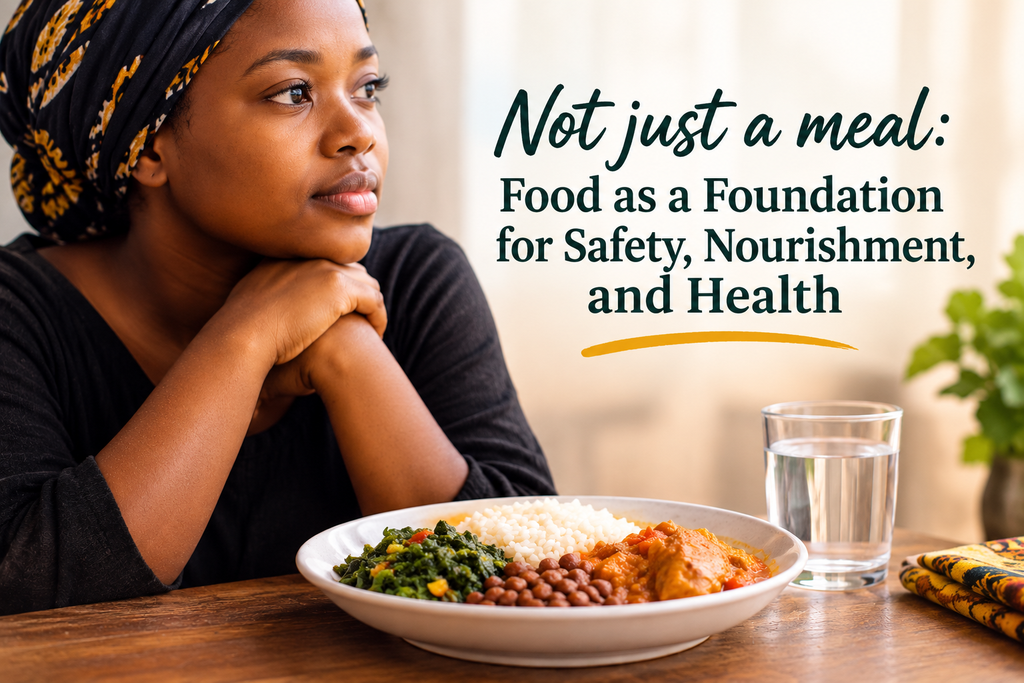
Food is one of the most basic human needs. As a substance that provides energy, supplies nutrients for growth and development, and supports the body’s ability to function, food is undeniably important to humans. Beyond satisfying hunger, access to food can influence a person’s dignity, security, physical well-being, and ability to make decisions about their life.
Beyond the immediate discomfort of hunger, food insecurity can affect several aspects of a survivor’s life, deepening existing vulnerabilities and making recovery more difficult. When every meal requires deep calculation, cost assessment, forgoing other needs, or even begging, human dignity is placed at stake. As we mark World Food Day, it’s important to consider not only how food is produced and distributed, but also how people can access it.
IMO STATE CITIZENS’ NEEDS ASSESSMENT
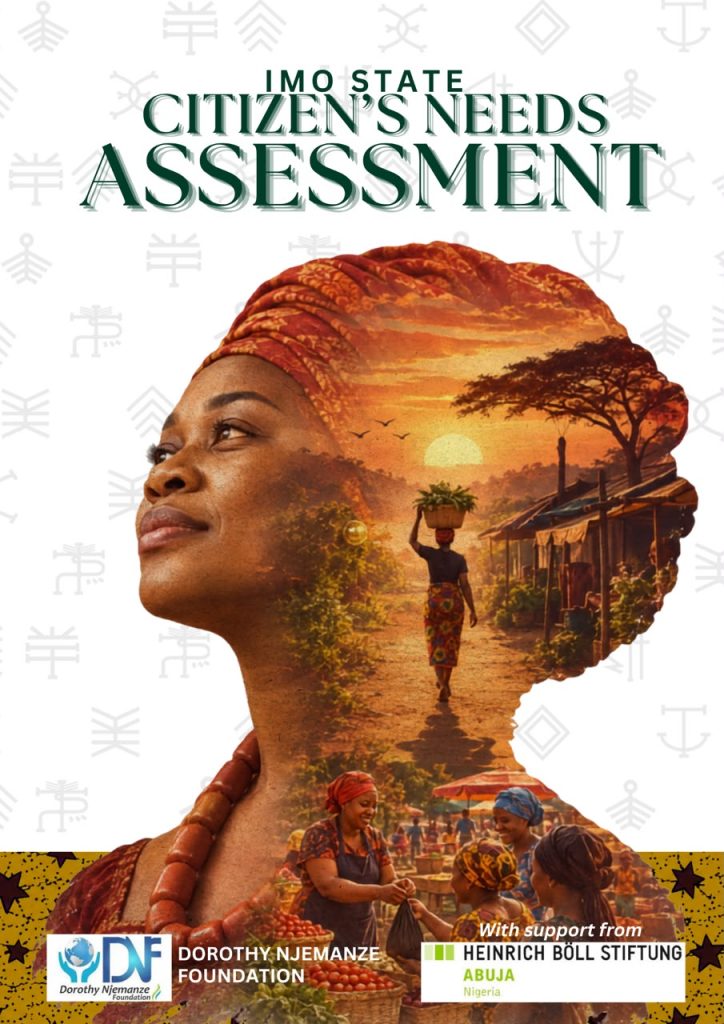
The Imo State Women’s Needs Assessment Report 2026 examines the lived experiences, challenges, and priorities of women across the state to inform evidence-based policies and a Charter of Demands ahead of the 2027 elections. Using a mixed-methods approach, it engaged 300 women across six LGAs, plus 90 Key Informant Interviews and three Focus Group Discussions.Findings reveal significant barriers to economic empowerment, education, healthcare, political participation, and justice. Over 60% of respondents are traders, artisans, or farmers, yet fewer than 10% have access to business loans, and only 16.05% inherited land, reflecting cultural practices that disadvantage women. Political participation remains low due to financial barriers, gender stereotypes, and inadequate support systems, highlighting the need for targeted policies to expand economic opportunities, strengthen representation, and promote inclusion, particularly for women with disabilities.
NIGER STATE CITIZENS’ NEEDS ASSESSMENT
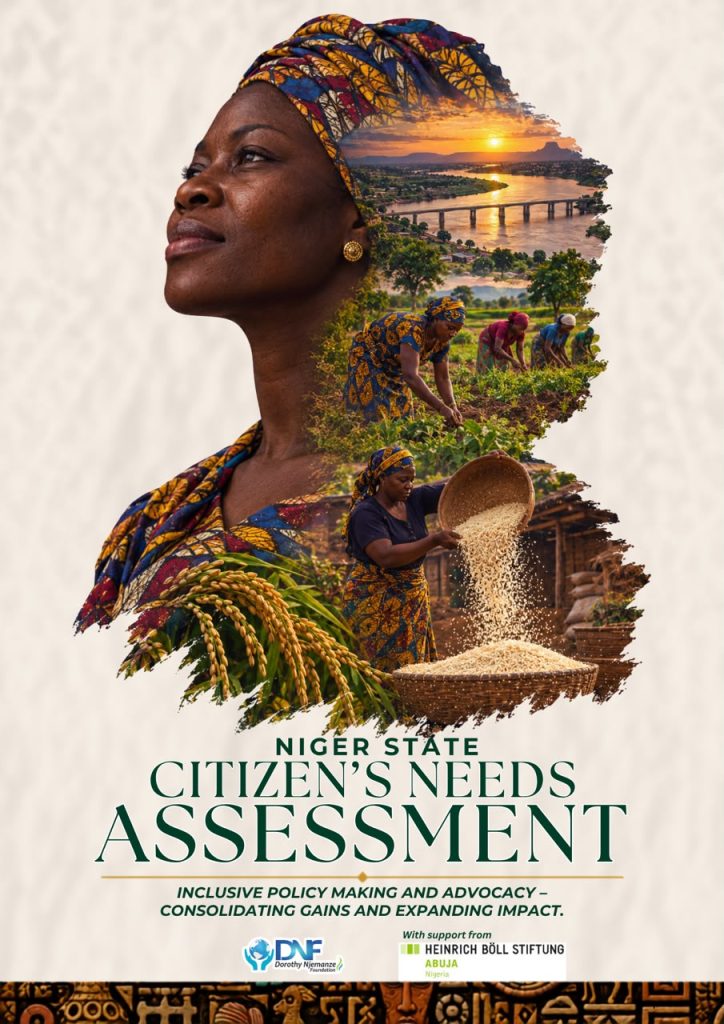
This assessment provides evidence to guide policy advocacy, development programming, and the formulation of a Citizens’ Charter of Demands that reflects the priorities and aspirations of women across Niger State.
The findings highlight persistent challenges around economic insecurity, limited access to finance, low awareness of legal protections, inadequate mental health support, and limited participation in civic and political spaces. They reveal a gap between the significant contributions women make to their communities and the support, resources, and opportunities available to them.
FROM SILENCE TO CONFIDENCE

From Silence to Confidence is a learning paper that shows that peer-led mental health clubs, peer support, and dialogues with parents help young people seek help positively, find their voice, and stay in school. Its core lesson for educators and funders: adolescent mental health is an education issue – when stress, shame, and stigma lift, young people concentrate better, attend more, and learn more.
VOICES OF ADOLESCENT GIRLS ON MENTAL AND MENSTRUAL HEALTH.

This document shares our insights and serves as a comprehensive resource for adolescents (ages 10–19), parents, educators, and community leaders, aligning with the United Nations Sustainable Development Goals to promote good health, quality education, gender equality, and reduced inequalities.
When a Pad Costs a Body: The Hidden Violence of Period Poverty
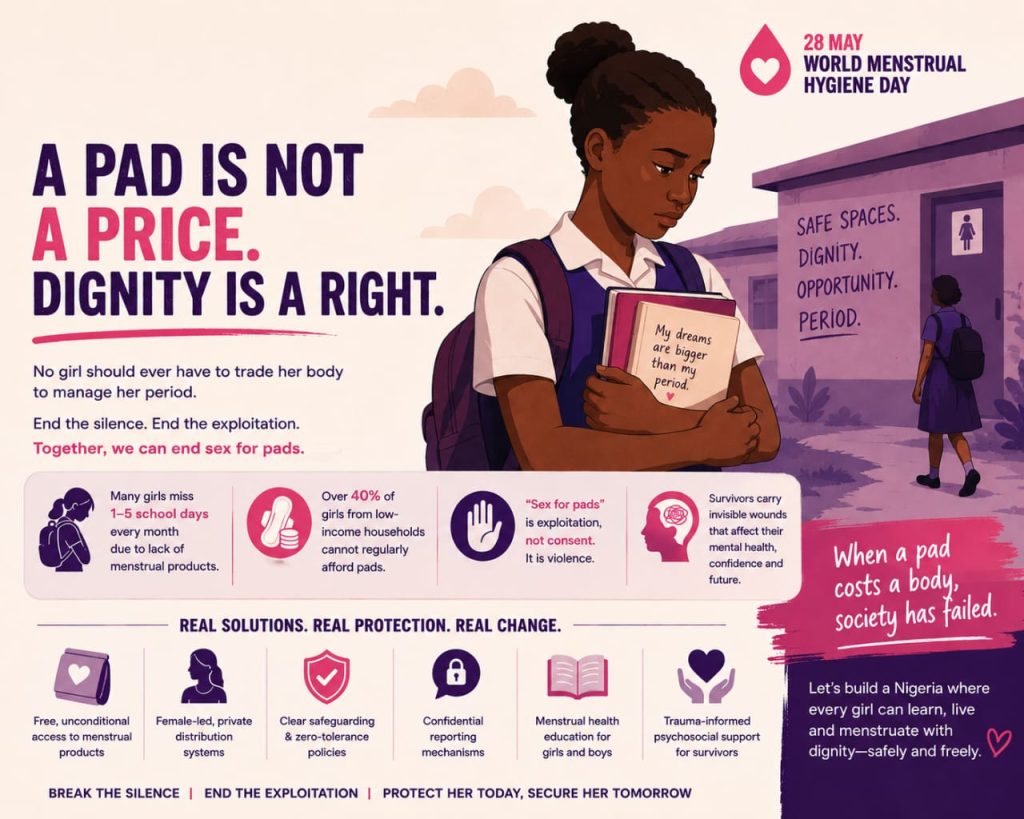
As we mark Menstrual Hygiene Day 2026, we must remember that menstrual health is not only about hygiene; it is about dignity, protection, education, and human rights. No girl should ever have to trade her body for a basic necessity.