
THE JOURNALS

The goal of this compendium is to offer a robust understanding of the challenges and
barriers that affect Nigerian women and girls across various sectors and areas of life
The high prevalence of gender-based violence, with a significant majority of survivors being women and girls, often under 17 years of age is a major issue.
Inclusive Leadership policies are crucial for promoting gender equality and empowering
women in Nigeria across her sectors of security, sports, education, health, agriculture,
mining, finance, and trade sectors, among others. These Feminist Leadership policies
ensure that women’s needs and perspectives are incorporated into the development of
policies, programs, and projects, thereby addressing gender-specific challenges and
barriers to participation and advancement.
MY LITTLE RED BOOK

The goal of this compendium is to offer a robust understanding of the challenges and
barriers that affect Nigerian women and girls across various sectors and areas of life
The high prevalence of gender-based violence, with a significant majority of survivors being women and girls, often under 17 years of age is a major issue.
Inclusive Leadership policies are crucial for promoting gender equality and empowering
women in Nigeria across her sectors of security, sports, education, health, agriculture,
mining, finance, and trade sectors, among others. These Feminist Leadership policies
ensure that women’s needs and perspectives are incorporated into the development of
policies, programs, and projects, thereby addressing gender-specific challenges and
barriers to participation and advancement.
A COMPENDIUM OF SECTOR-SPECIFIC SOLUTIONS

The goal of this compendium is to offer a robust understanding of the challenges and
barriers that affect Nigerian women and girls across various sectors and areas of life
The high prevalence of gender-based violence, with a significant majority of survivors being women and girls, often under 17 years of age is a major issue.
Inclusive Leadership policies are crucial for promoting gender equality and empowering
women in Nigeria across her sectors of security, sports, education, health, agriculture,
mining, finance, and trade sectors, among others. These Feminist Leadership policies
ensure that women’s needs and perspectives are incorporated into the development of
policies, programs, and projects, thereby addressing gender-specific challenges and
barriers to participation and advancement.
ACTION 3 – SHELTER SUPPORT

Action Aid Nigeria supported the Dorothy Njemanze Foundation’s 14-bed shelter in 2022, providing a safe haven for survivors of Sexual and Gender-Based Violence (SGBV) in Abuja. The grant facilitated a secure environment for adults, teenagers, and children and boosted the capacity of DNF’s account in the Police Hospital by paying medical bills for survivors of Sexual and Gender-Based Violence. It also supported repairs and provided food and dignity kits to women and their children and girls in the DNF Safe House. During this project, the shelter welcomed three new clients, a mother and her two children fleeing Domestic Violence and a 16-year-old Survivor of Sexual Violence. The impact of these activities has been substantial, providing a safe and supportive environment for a diverse group of SGBV survivors and enhancing the quality of life for shelter residents.
NWTF PROJECT
The Nigerian Women’s Trust Fund funded a project on “Improving DNF’s Shelter Management for Effective Response to SGBV in FCT” in 2021. The project aimed to provide institutional strengthening to the DNF Shelter, ensuring it could offer a survivor-centred response to women and girls in Abuja. The core activities included providing a temporary safe shelter for women and girls, offsetting utility and maintenance bills, supporting personnel costs for six staff members, and ensuring communication through two hotlines and social media. Additionally, the project focused on a social media campaign aimed at sharing impact stories of survivors, which enhanced outreach and awareness. By the end of the project, the DNF Shelter extended its services to a combined total of 372 women and girls with safe shelter and essential utility provisions while 224 survivors of Sexual and Gender-Based Violence received first response and psychosocial support through the DNF Hotlines.
STRENGTHENING: OSIWA PROJECT

The DNF shelter was established in 2020 with the Open Society Initiative for West Africa (OSIWA) support. Since its inception during the COVID-19 pandemic, the DNF’s 14-bed facility has catered to over 500 survivors of sexual and gender-based violence (SGBV) and their children. The Crisis and Transitional shelter serves as a safe space, offering a secure environment f survivors and their offspring to heal from their traumatic experiences. By providing the essential services, the DNF shelter plays a vital role in empowering SGBV survivors, facilitating their recovery process, and raising awareness about the importance of combating such violations within the community. Over the years, the DNF shelter has received support from various individuals and organisations through donations of foodstuffs, clothing, and other necessary provisions, well as assistance with renovations to the shelter facilities. This continued support has been instrumental in sustaining the shelter’s operations and ensuring that it can continue to provide a safe space and comprehensive care for SGBV survivors and their children.
HEINRICH BOELL FOUNDATION: Improving Feminist Leadership In Nigeria

This project seeks to promote the principles of inclusion, transparency, accountability and shared-power, which are the cornerstones of feminist leadership, in Nigeria at all levels of leadership. Under this project, DNF created a documentary titled “Leadership as e Suppose Be” which explains the feminist approach to leadership and highlights the need for the inclusion of women and persons with disabilities (PWDs) at all levels of decision making and leadership. Also as part of activities under this project, DNF also brought together representatives from the major sectors of the Nigerian economy and society to discuss the specific issues and inequities that women and PWDs suffer in these sectors and chart the way forward in creating a more empowering and inclusive environment for them. The outcome of this meeting was then used to compile a compendium which DNF would use for advocacy to policy makers, law makers and government agencies.
FORD FOUNDATION: The Gate-Keepers to Bystander Project

FORD FOUNDATION: The Gate-Keepers to Bystander Project Strengthening SGBV Response in FCT and Environs Using Storytelling and Community Engagements is an ongoing project aimed at combating Sexual and Gender-Based Violence (SGBV) in the Federal Capital Territory (FCT)and its surrounding environs. This project seeks to strengthen community responses to SGBV through the use of storytelling and community engagements. With a focus on harmful normative practices like virginity testing, this project feeds into DNF’s work on the Prevention of SGBV by engaging key gatekeepers in the community, such as religious leaders, traditional rulers, and community leaders, to raise awareness about SGBV and promote a culture of zero tolerance towards violence. Through the project, gatekeepers will learn to identify signs of abuse, provide support to survivors, and encourage community members to speak out against SGBV. In addition, the project uses storytelling to engage with community members by raising awareness about the prevalence of SGBV in the community, breaking the silence surrounding the issue, and inspiring others to take action. At the end of the project, we aim to challenge harmful social norms and behaviors that perpetuate SGBV, empower survivors to seek justice and support, and mobilize communities to create a safe and supportive environment for all members, especially women, and girls.
IMPROVING MENTAL HEALTH AND SEXUAL REPRODUCTIVE HEALTH AND RIGHTS OF ADOLESCENTS IN AMAC, ABUJA
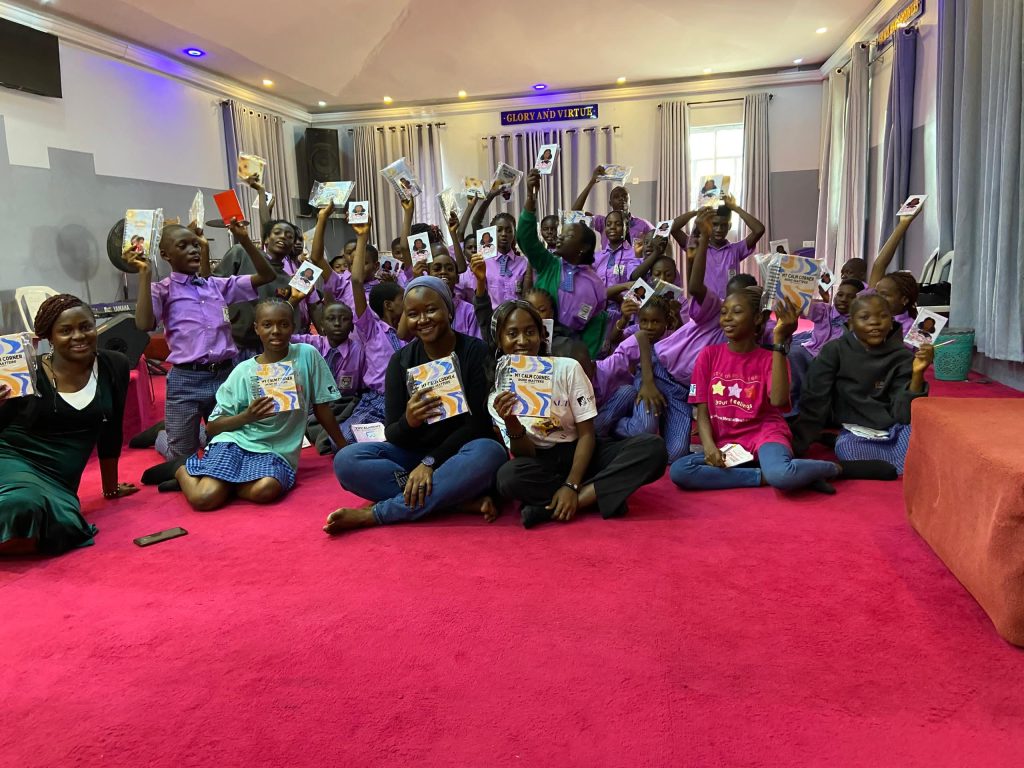
This project addresses a critical gap in the support services provided to adolescents as it relates to mental health, especially among adolescents and teenagers who have experienced violence, discrimination and other forms of dysfunction in their immediate environment and communities. It seeks to raise awareness on mental health among adolescents, young persons, especially those from marginalized groups, and provide support and resources for them to navigate the changes and challenges that come with adolescence and better cope with external factors that may negatively impact their mental health and general wellbeing. Under this project, DNF onboarded 10 adolescent mental health ambassadors drawn from both public and private schools in AMAC, the DNF Crisis and Transitional Shelter and an IDP camp in AMAC whose role includes raising awareness in their respective communities and
DOROTHY NJEMANZE FOUNDATION (DNF) SUCCESSFULLY HOSTED A CRUCIAL STAKEHOLDERS’ MEETING AT THE GENDER TECHNICAL UNIT, NATIONAL ASSEMBLY COMPLEX
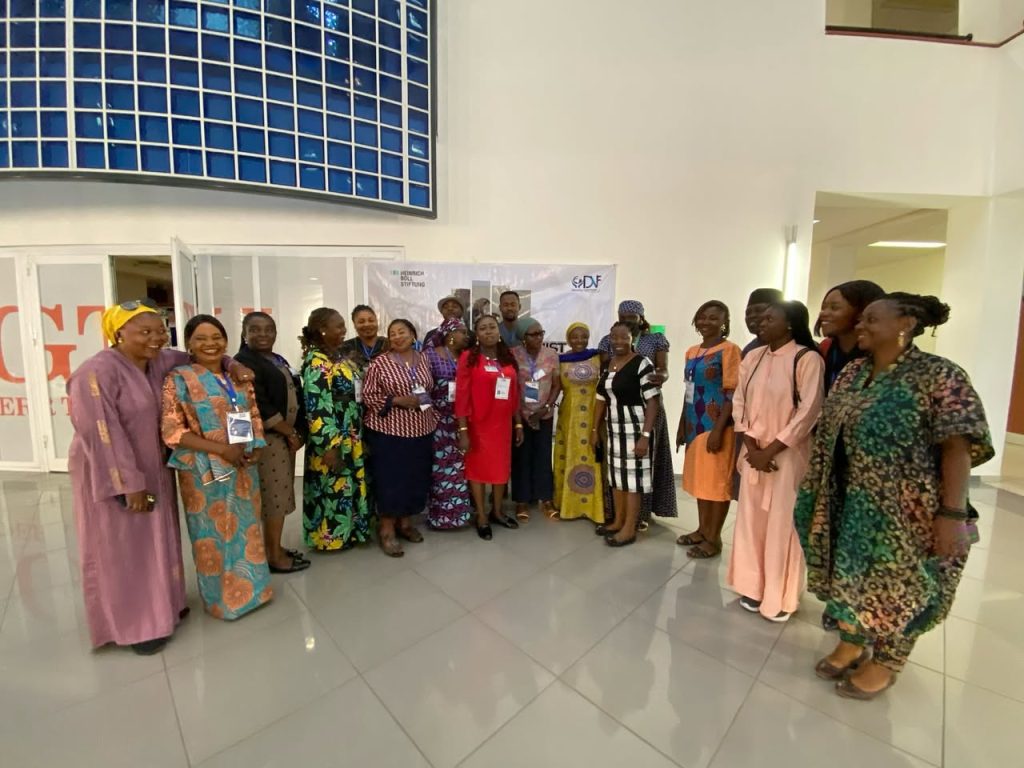
On November 20, 2024, the Dorothy Njemanze Foundation (DNF) successfully hosted a crucial stakeholders’ meeting at the Gender Technical Unit, National Assembly Complex. The event highlighted DNF’s unwavering commitment to achieving Gender Democracy and justice for women and girls in Nigeria. Key moments included: Presentation of DNF’s Gender Inclusive Compendium, developed under the #WhatNaijaWomenWant campaign with support from Heinrich Böll Stiftung (HBS). Screening of “Leadership as e suppose be” and insightful short videos addressing gender issues and laws in Nigeria. The compendium, a collaborative effort with various civil society organizations, explores critical topics like Governance, Gender Inclusion, Health, Climate Change, and more. This impactful gathering reinforced DNF’s mission to reduce Gender-Based Violence and promote an equal, inclusive Nigeria. You can Access the Compendium through the link in our Bio